

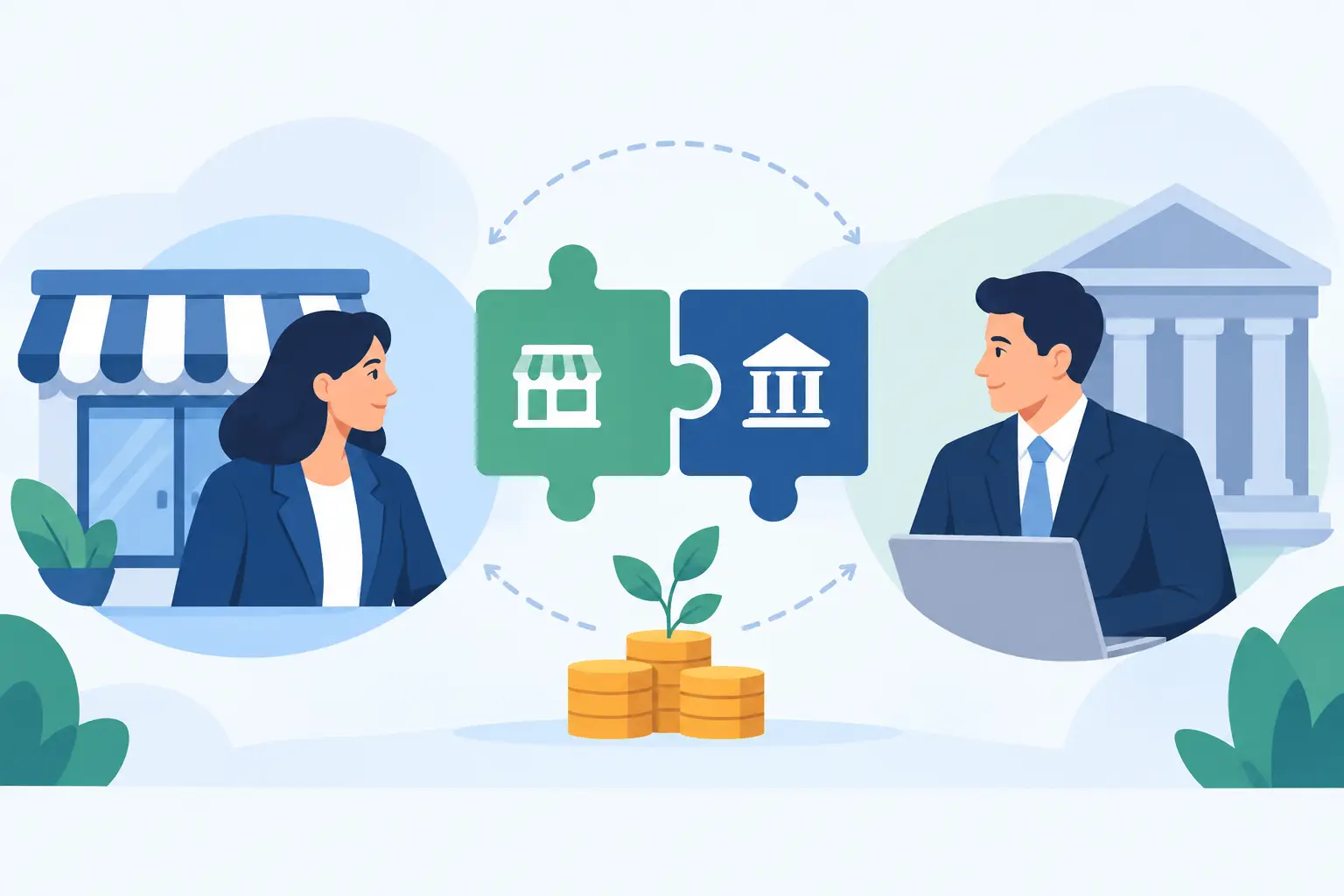
A contractor needs a truck before the next job starts. A restaurant needs inventory ahead of a busy weekend. A retailer needs working capital while waiting on customer payments. The right financing is not always the loan with the lowest advertised rate. It is the option that fits the business’s cash flow, timeline, qualifications, and reason for borrowing. That is how lenders match businesses with funding that can actually work in the real world.
A bank may be the best fit for one established company with strong financials and time to wait. A line of credit, equipment financing, or revenue-based financing may make more sense for another company that needs a faster decision or has a less traditional credit profile. Matching is about putting the facts of the business next to the requirements of the financing product and lender.
What Lenders Look at Before Making a Match
Lenders do not approve every business using the same checklist. Each lender has its own underwriting guidelines, risk tolerance, industries it prefers, and loan products. Still, most financing decisions begin with a close look at a few core areas:
- Time in business and business stability
- Monthly and annual revenue
- Personal and business credit history
- Cash flow and current debt payments
- The amount needed and what it will be used for
- Available collateral, equipment, invoices, or other assets
A business that has been operating for five years with steady deposits may have several paths available, even if its credit is not perfect. A newer business with strong revenue may qualify for different products than a company with low revenue but valuable equipment. The details matter because they shape both approval odds and the structure of the offer.
Lenders also look beyond a credit score. Credit remains important, but it is only one part of the file. Late payments, collections, tax liens, recent financing, inconsistent revenue, and high existing debt can affect an offer. So can positive factors such as recurring customers, strong bank balances, profitable contracts, and a clear use of funds.
How Lenders Match Businesses to the Right Product
The best financing match starts with the purpose of the capital. Borrowing for a long-term asset is different from covering a short-term cash gap. When the repayment term and the expected benefit of the funding are aligned, the business has a better chance of managing the payment without straining operations.
Term loans for planned growth
A term loan provides a lump sum that is repaid on a fixed schedule. It can be a strong fit for a planned expansion, renovation, acquisition, large inventory purchase, or other defined investment. Businesses with reliable revenue and a clear repayment plan often use term financing when they want predictable payments.
The trade-off is that traditional term loans may require stronger credit, more documentation, or a longer approval process. Alternative term loan options can be more flexible, but the cost and repayment terms should be reviewed carefully before accepting an offer.
Lines of credit for changing expenses
A business line of credit is often matched to companies with ongoing, uneven expenses. Think payroll during a slow month, materials before a customer pays, or inventory ahead of a seasonal rush. Rather than taking one large lump sum, the business can draw what it needs up to an approved limit.
This flexibility is valuable, but it works best when used with discipline. A line of credit is not extra revenue. It is a tool for timing gaps and short-term operating needs, and the balance should be managed with a realistic payoff plan.
Equipment financing when the asset supports the loan
Equipment financing is built for machinery, vehicles, technology, medical equipment, restaurant equipment, and other hard assets. Because the equipment itself can support the transaction, lenders may focus heavily on the asset value, its useful life, and the business’s ability to make payments.
This can be a practical route for businesses that need to preserve cash for operations. A transportation company buying vehicles or a construction company replacing machinery may be better served by equipment financing than by using a general working-capital loan for the purchase.
Revenue-based financing for speed and cash flow
Revenue-based financing can be considered when a business has consistent sales but does not fit a bank’s rigid credit or collateral requirements. Approval decisions often place more weight on recent revenue and deposit activity. Funding can move faster than conventional bank financing in the right situation.
The key consideration is repayment frequency and total cost. Daily or weekly payments may fit a business with steady sales, but they can create pressure for a company with unpredictable collections or thin margins. Lenders match this product best when the revenue pattern can support the payment schedule.
Asset-based financing for companies with usable collateral
Businesses with receivables, inventory, equipment, or other assets may qualify for asset-based financing. This approach can help companies access capital tied to value they already have in the business. It is often useful for operators that are growing but have cash tied up in invoices or inventory.
Asset-based options may require reporting, appraisals, or ongoing monitoring. That added structure can be worthwhile when it creates access to more capital than an unsecured option would provide.
Why One Lender Can Say No While Another Says Yes
A decline from one lender does not automatically mean the business cannot qualify elsewhere. It may simply mean the business does not meet that lender’s specific model.
For example, a traditional bank may want several years of financial statements, strong personal credit, and collateral. A lender focused on revenue may be more concerned with recent deposits and existing payment obligations. An equipment lender may view a financed asset as a major strength. The same business can look very different depending on the lender and product.
This is why broad lender access matters. A financing marketplace can compare a business against multiple lending criteria instead of forcing every applicant into one narrow box. Georgia Business Loans works with 75-plus lending partners and has helped fund more than $2 billion, creating more possible routes for Georgia businesses that need capital for growth or operations.
How to Improve Your Financing Match Before Applying
Business owners do not need perfect credit to prepare a stronger application. Start by being accurate about the amount needed and the use of funds. Asking for too little can leave a project underfunded. Asking for too much without a clear purpose can make the request harder to support.
Have recent business bank statements available, along with basic details about revenue, current debt, time in business, and the requested use of funds. If you are buying equipment, include the quote or invoice. If you need capital for inventory, renovations, or expansion, be prepared to explain how the investment will generate or protect revenue.
It also helps to be direct about credit challenges. A lower score, a past late payment, or an old collection does not always end the conversation. Trying to hide it can slow the process. A lender or financing advisor can identify which options may still fit based on the full picture. Businesses with at least one year in operation and credit scores starting at 550 may have financing paths worth reviewing, depending on revenue and other qualifications.
The Match Is About More Than Approval
Getting approved is only the first step. A good match considers the payment amount, payment frequency, term length, collateral requirements, prepayment terms, and total financing cost. It also considers whether the funding arrives in time to solve the actual business need.
Fast capital can be valuable when a deal, repair, or payroll deadline cannot wait. But speed should not replace review. Compare how each option affects weekly or monthly cash flow, especially during slower periods. The right offer gives the business room to operate while it puts the capital to work.
If your business needs funds for equipment, inventory, expansion, working capital, or a major project, start with the facts that make your operation financeable: revenue, time in business, cash flow, and a clear plan. The right lender match can turn a capital need into a practical next move instead of another delay.

