

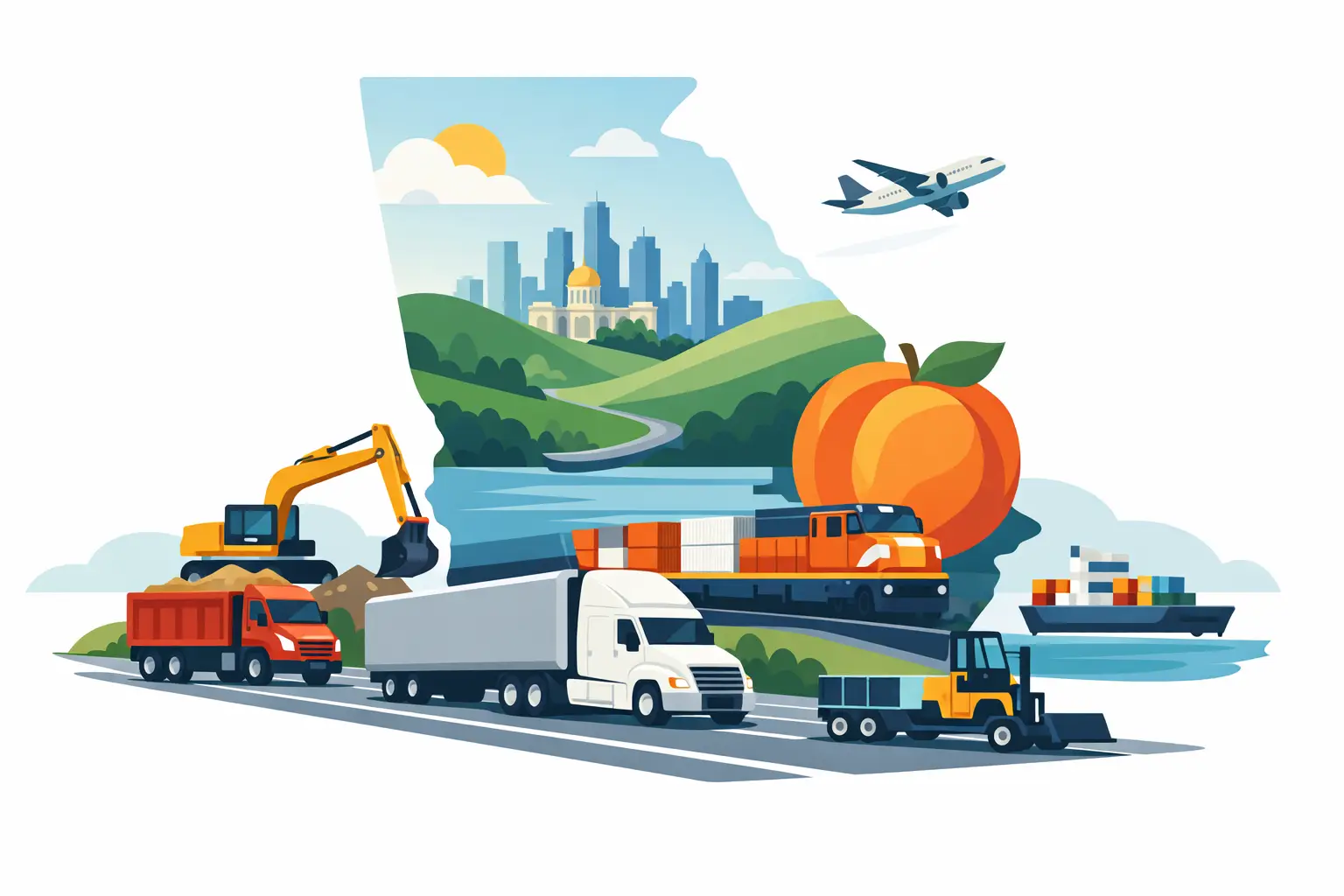
A dump truck that cannot leave the yard, a restaurant oven that fails on a Friday, or outdated diagnostic equipment can cost more than a repair bill. It can cost sales, customers, and time your business cannot get back. Equipment financing gives Georgia business owners a practical way to acquire the assets they need without putting all available cash into one purchase.
For contractors, trucking companies, medical practices, manufacturers, retailers, and service businesses, the right equipment can create revenue right away. The question is not simply whether to buy. It is how to structure the purchase so the monthly payment supports growth instead of straining day-to-day operations.
What Equipment Financing Can Cover
Equipment financing is business funding used to purchase tangible assets that help your company operate or expand. In many cases, the equipment itself helps secure the financing, which can make it a more accessible option than an unsecured loan.
The assets financed can range from a single essential purchase to a major fleet or facility upgrade. Common examples include construction machinery, work trucks, trailers, forklifts, commercial kitchen equipment, manufacturing tools, computers, point-of-sale systems, medical devices, salon equipment, and agricultural machinery.
The best use case is equipment that has a clear business purpose. A new skid steer may let a contractor take on larger jobs. Refrigeration equipment may help a grocery store expand its inventory. New delivery vehicles may help a service company cover more of metro Atlanta in a day. When the asset creates capacity, reduces downtime, or improves margins, financing can be a strategic operating decision.
Why Financing Can Be Better Than Paying Cash
Paying cash avoids interest, but it can create a different problem: too little working capital. Most businesses need cash for payroll, inventory, rent, materials, marketing, and unexpected repairs. Using a large portion of available cash for equipment may leave a company exposed when a slow month or surprise expense arrives.
With equipment financing, you spread the cost across predictable payments while putting the equipment to work now. Ideally, the revenue or savings generated by the asset helps cover the payment. This approach can preserve liquidity for the expenses that keep the business moving.
There are trade-offs. Financing adds a monthly obligation and total borrowing costs can exceed the cash price. A longer term may lower the payment but increase the total amount paid over time. A short term can reduce interest expense but place more pressure on cash flow. The right structure depends on how long the equipment will remain useful, how quickly it produces revenue, and how seasonal your business is.
Financing versus leasing
A traditional equipment loan is usually a good fit when you expect to own the asset for years. Once the financing is paid off, the business owns the equipment free and clear, subject to the terms of the agreement.
Leasing can make sense for technology or equipment that becomes outdated quickly, or when preserving cash is the highest priority. Some leases offer an end-of-term purchase option, while others are designed for returning or upgrading the equipment. The details matter. Compare the payment, term, end-of-term obligation, and total cost before deciding.
What Lenders Review Before Approving a Deal
Lenders typically evaluate both the business and the equipment being purchased. Strong revenue and credit can lead to more options and better pricing, but they are not the only factors that matter.
A lender may review time in business, monthly or annual revenue, business and personal credit, existing debt, bank activity, and the type, age, and value of the equipment. New equipment from an established dealer is often easier to finance than older, specialized equipment purchased in a private sale. That does not mean used equipment cannot qualify. It simply may require a different lender or a larger down payment.
For Georgia businesses with challenged credit, equipment value can be especially helpful. The asset gives lenders collateral, which may open doors that a conventional bank loan does not. Approval is never guaranteed, and rates and terms may vary, but a prior credit issue should not automatically end the conversation.
Georgia Business Loans works with a network of more than 75 lending partners and serves businesses with good credit or bad credit. Companies generally need at least one year in business and a minimum 550 credit score to explore available financing options.
How to Choose the Right Equipment Financing Structure
The lowest advertised rate is not always the best deal. A financing structure should match the way your company earns and spends money.
Start with the equipment’s expected useful life. Financing a machine for longer than it is likely to remain productive can leave you making payments on an asset that no longer helps the business. On the other hand, compressing the term too aggressively can create a payment that limits payroll, inventory purchases, or job-related expenses.
Then look at your revenue cycle. A transportation company with steady contracted routes may prefer a fixed monthly payment. A landscaping company with seasonal revenue may need a structure that accounts for slower months. A growing manufacturer may need to preserve capital for raw materials while adding production equipment.
Also consider whether the purchase includes more than the equipment price. Delivery, installation, software, warranties, and taxes can add meaningful costs. Ask whether these items can be included in the financing amount so the final funding need is clear before you sign an order.
Questions worth asking before you commit
Before accepting an offer, get direct answers about the payment amount, repayment term, down payment, collateral requirements, prepayment policy, and any documentation or closing fees. Ask whether there is a personal guarantee and whether the lender files a lien only on the equipment or has broader rights against business assets.
If the equipment is essential to operations, ask about insurance requirements and funding timing as well. A good approval does not help much if the vendor needs payment before the lender can close the transaction.
Prepare Your Application Before You Find the Perfect Machine
Equipment sellers move quickly, especially when inventory is limited. Having your business information ready can help you act when the right asset becomes available.
Most applications begin with basic company details, ownership information, recent business bank statements, and an equipment quote or invoice. Depending on the lender and deal size, you may also need tax returns, financial statements, or proof of insurance. Clear documentation can reduce back-and-forth and help lenders evaluate the request faster.
Be realistic about the payment your business can carry. Do not base the decision solely on projected best-case revenue. Consider maintenance, fuel, labor, insurance, and the time it takes for the equipment to begin producing income. A payment that works during a strong month should still be manageable during a normal one.
When Equipment Financing Is Not the Best Fit
Financing may not be the right answer if the equipment will sit idle, has no clear revenue purpose, or is nearing the end of its useful life. It may also be worth waiting if the business has an immediate cash-flow issue that needs working capital first.
In some situations, a business line of credit, revenue-based financing, or another structure may better address the real need. For example, a contractor may need funds for materials and labor to complete signed jobs before taking on a payment for additional machinery. The best funding decision starts with the business problem, not the product name.
The right equipment should make your business more capable on Monday morning, not more stressed when the payment is due. If a purchase will help you serve more customers, complete work faster, or replace costly downtime, take the time to compare terms, prepare your documents, and pursue financing that fits the way your Georgia business actually operates.

